This page is a comprehensive list of films that had input from Akira Kurosawa, but which were not directed by him and are therefore not considered part of the official canon. This includes films on which he worked as an assistant director, those he wrote screenplays for, as well as films for which he worked as an editor or producer. I have indicated home video availability for each film.
Note that films remade from Kurosawa’s works, or films directly influenced by his works, are listed on the remakes and films influenced by Kurosawa page. Yet, films that are remakes of other films that originally used Kurosawa’s script are listed here. The reasoning is that they are not remakes of Kurosawa’s films but rather make use of a script written by Kurosawa.
Most links here are to Amazon’s global stores. If you buy anything through these links, it helps this website without any additional costs to you. Thank you!
Co-director
Those Who Make Tomorrow
(明日を創る人々 / Asu o tsukuru hitobito, 1946)
Sometimes listed as part of Kurosawa’s oeuvre, Those Who Make Tomorrow was directed by Kurosawa together with Hideo Sekigawa and Kajiro Yamamoto. Kurosawa, who was practically forced to take part in the making of the film, never considered it as part of his own works, and therefore neither shall we.
The film, which was shot in a week, was made to support Toho’s workers’ union, who went on strike shortly before the release of the film demanding better working conditions and better wage security. Consequently, the film is little more than a propaganda piece thrown together in a hurry. It tells the story of a family who become involved in a filmmakers’ strike that is called in sympathy with striking railroad workers.
The film is practically unavailable and according to Stuart Galbraith’s The Emperor and the Wolf (p. 65) has never been shown in Japan after its initial release, and was never screened in the US.
Horse
(馬 / Uma, 1941)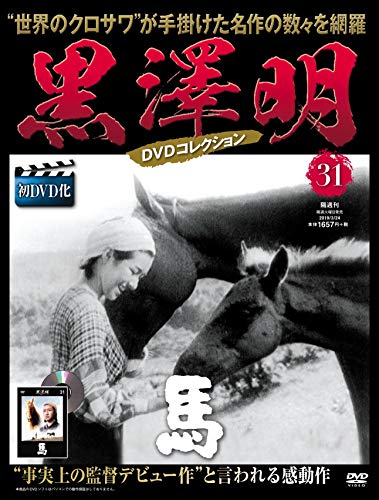
Sometimes considered Kurosawa’s “0th film”, at other times listed under films that he worked for as an assistant director (as reads in the credits), Horse is the final film on which Kurosawa worked as an assistant director before starting to work on his debut film as a graduated director himself. Although officially a film by Kajiro Yamamoto, it is generally agreed that most of the scenes in Horse were in fact directed by Kurosawa who worked independently of Yamamoto throughout most of the shooting. Kurosawa was also involved in the writing and editing of the film. But as the overall production was still under Yamamoto, I would consider it a “co-directed” film.
The film tells the story of a poor young girl and her relationship with a horse that she raises up. Their relationship, however, comes to an end when the government orders the horse to be auction off to the army, breaking the girl’s heart and causing her to try to stop the sale.
Horse was released on DVD in Japan in 2019 as part of the Akira Kurosawa DVD collection. The release doesn’t have English subtitles. It is available from Amazon Japan.
Writer
The Sea Is Watching
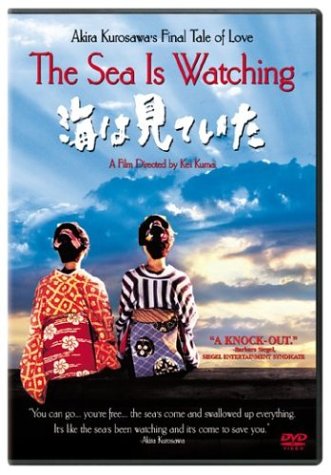 (海は見ていた / Umi wa miteita, 2002)
The second film to be directed from an unfilmed script left by Kurosawa, Kei Kumai’s The Sea Is Watching is based on a script Kurosawa was working on at the early 1990s. It is a tender story about a prostitute who falls in love with a samurai who comes to hide in the brothel after wounding a high-ranking samurai. Kumai’s direction, while not actually trying to imitate Kurosawa’s style, pays homage to the source material well and the result is a very pleasant viewing experience.
The film is available at Amazon.com and Amazon.co.uk.
Dora-Heita
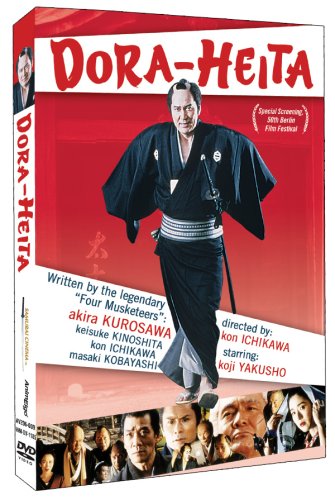 (どら平太 , aka “Alley Cat”, 2000)
Kon Ichikawa’s film from 2000 is based on a script written by Ichikawa, Kurosawa, Masaki Kobayashi and Keisuke Kinoshita at the turn of the 1970s when the four worked together under the banner “Club of the Four Knights” — an enterprise that would go down after just one film when Kurosawa’s Dodesukaden flopped at the box office. The original idea had, according to Ichikawa, been for the four to film the script together.
Dora-Heita, or “Alley Cat”, is a comic story about a samurai who pretends to be an alcoholic magistrate in order to carry out a daiyo’s order to clean up a corrupt town. The story and style somewhat resemble that of Kurosawa’s earlier films Yojimbo and Sanjuro. Yet, the overall execution seems a little uneven to me, and I would say that the main interest for a Kurosawa fan lies in the story.
The film is available at Amazon.com and Amazon.co.uk.
After the Rain
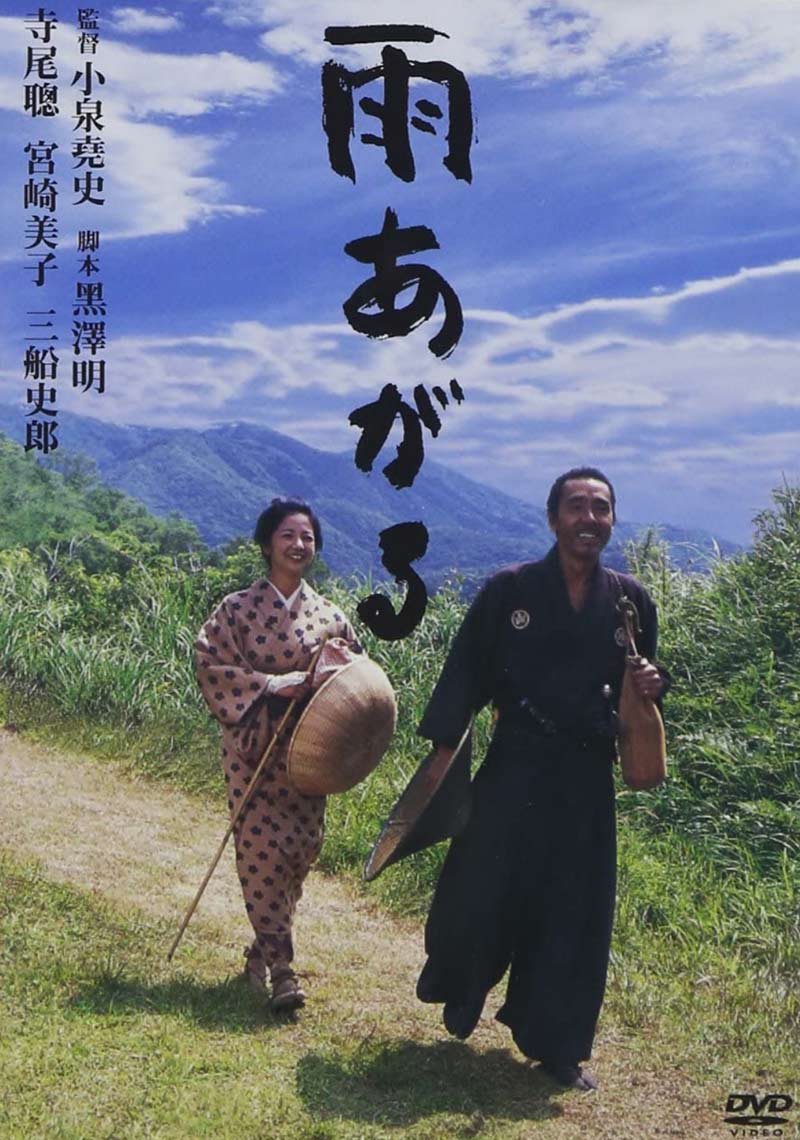 (雨あがる / Ame agaru, 2000)
The first film directed from an unfilmed Kurosawa script after his death, Ame agaru was made by people who had been close to Kurosawa at the time of his death. Not only was the film directed by Takashi Koizumi who worked as an assistant director on Kurosawa’s films starting from Kagemusha, but also the rest of the cast and the crew was filled with Kurosawa regulars. Even Toshiro Mifune’s son Shiro Mifune makes an appearance, as does Tatsuya Nakadai and a number of other familiar faces.
The story is about a masterless samurai (played by Akira Terao, who appeared in Kurosawa’s films from Ran onwards) who with his wife becomes stranded by rains at a country inn, all for the amazement of the local residents. The samurai’s skills with the sword comes to the attention of a local lord who hires him as a fencing instructor, causing friction within the castle. While not quite a masterpiece, Ame agaru is still an excellent film well worth watching.
The Japanese DVD release of the film comes with English subtitles, and is available for example at Amazon.co.jp.
Runaway Train
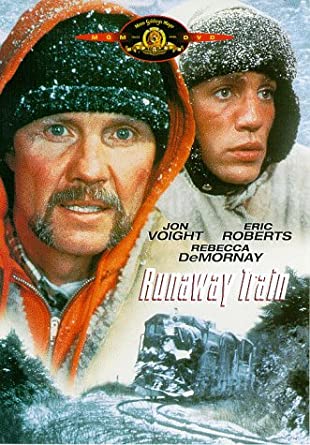 (1985)
Runaway Train is based on a script that Kurosawa wrote in the mid-1960s for a project that was supposed to become his Hollywood debut, but which was later cancelled due to various problems. Since the rights stayed in the US, it was only a matter of time that the film would be made without Kurosawa’s involvement. The film came out in 1985 and was helmed by Russian director Andrei Konchalovsky.
The action-packed story is about a runaway train that is accidentally boarded by two escaped convicts and a female railroad worker. We follow their struggle inside the train, as well as the actions of those trying to stop the train, and catch the escapees. It is a fairly well-made action film, which still has a few traces of Kurosawa in it. Do not expect the greatest film ever made, but definitely expect a good and thrilling viewing experience.
The film is available at Amazon.com and Amazon.co.uk.
Tora! Tora! Tora!
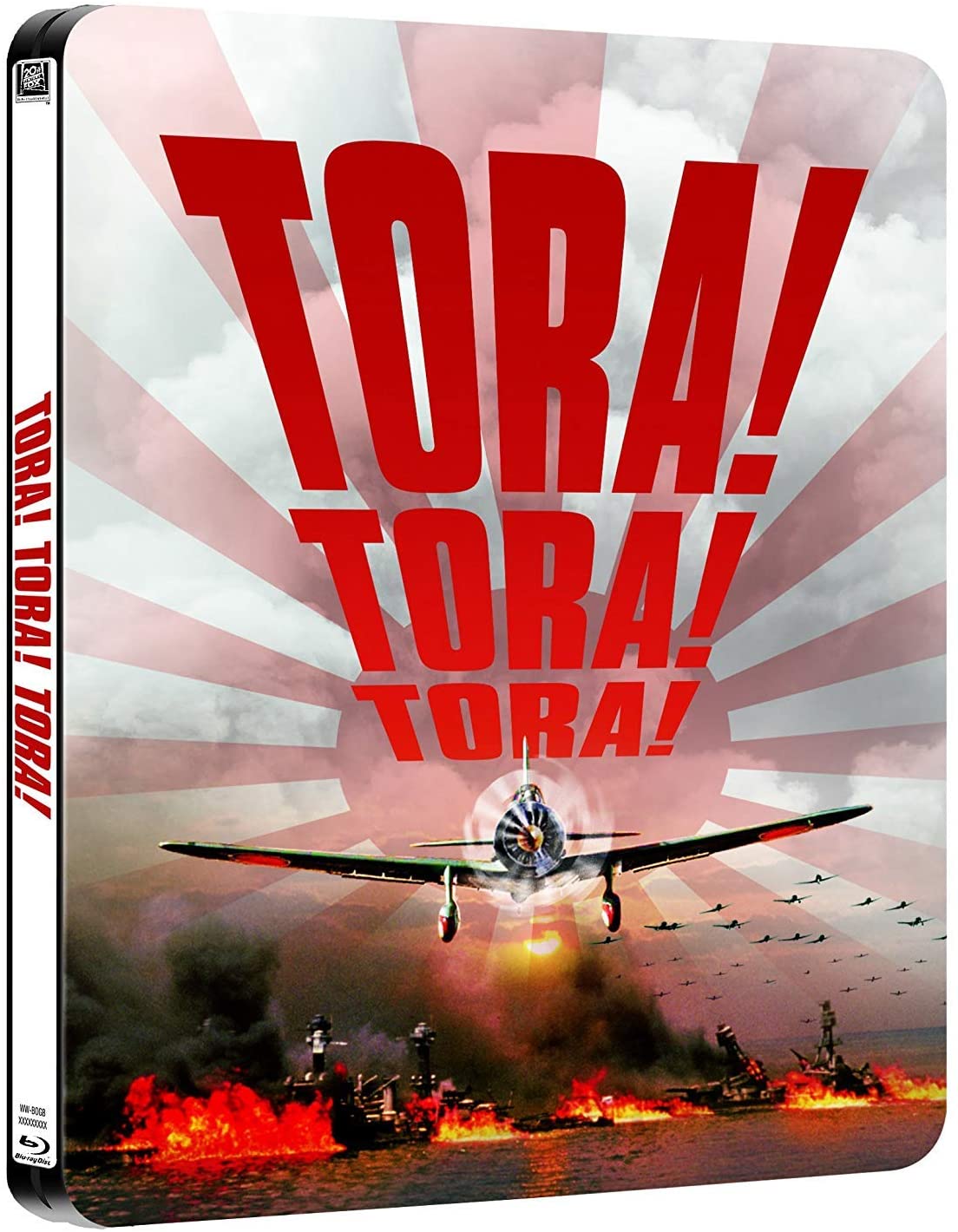 (1970)
Kurosawa worked on the 1970 US blockbuster film Tora! Tora! Tora! for almost two years until he was fired from the production with the producers suggesting that their Japanese director was suffering from mental problems. During the time he worked on the film, Kurosawa co-wrote the script for the Japanese parts of the film and had started to direct the Japanese parts, with Richard Fleischer responsible for the American half. After Kurosawa was dropped from the project, parts of his screenplay were retained, with the Japanese half of the film ultimately helmed by Kinji Fukasaku and Toshio Masuda.
Editions of the film are available from Amazon.com and Amazon.co.uk.
Sanshiro Sugata
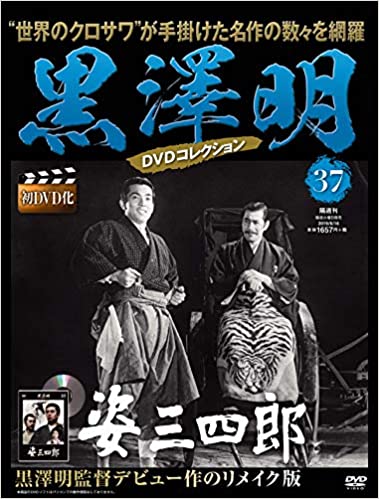 (姿三四郎 / Sugata Sanshiro, 1965)
Kurosawa re-adapted his original Sanshiro Sugata screenplays and produced and edited this 1965 remake which was directed by Seiichiro Uchikawa. Kurosawa had actually originally thought about filming the remake himself, but decided to give it to Uchikawa due to the financial and schedule pressures imposed by his work on Red Beard. The film was a commercial success and a critical failure.
The film was released on DVD in Japan in 2019 as part of the Akira Kurosawa DVD collection. The release doesn’t have an English translation but is available from Amazon Japan.
Jakoman and Tetsu
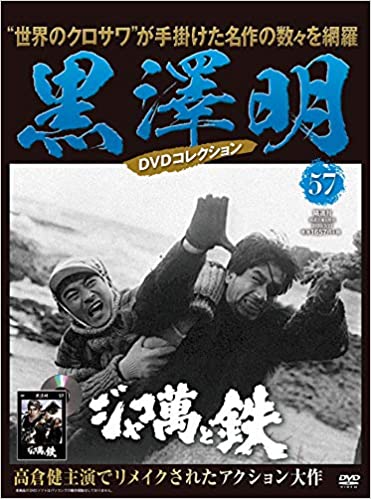 (ジャコ万と鉄 / Jakoman to Tetsu, 1964)
This is a remake of the 1949 film of the same name for which Kurosawa wrote the screenplay with Senkichi Taniguchi, who also directed the original. The remake on the other hand is directed by Kinji Fukasaku.
Jakoman and Tetsu is a story of a one-eyed criminal Jakoman who terrorises the inhabitants of a fishing town until a young man called Tetsu decides to confront him.
The film is available on DVD without English subtitles as part of the Akira Kurosawa Collection, released in 2020. Check out Amazon.co.jp.
Fencing Master
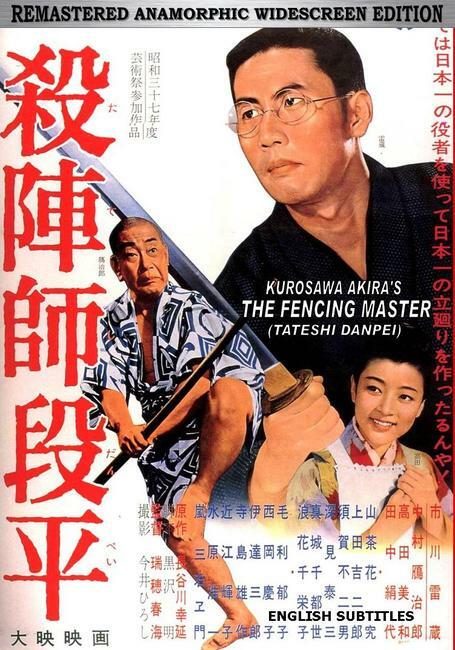 (殺陣師段平 / Tateshi Danpei, 1962)
Harumi Mizuho’s remake of the 1950 film for which Kurosawa wrote the screenplay from Kōen Hasegawa’s 1949 play of the same name. The story, set in the late 1910s, centres on the titular Danpei Tateshi, a very typical Kurosawa hero in as much as he is headstrong, somewhat childlike and so concentrated on what he does that he fails to pay proper attention to the people close to him. Although called a fencing master, he is actually not working as a martial arts instructor but as a theatre choreographer who has made a name for himself by arranging sword fighting scenes. As he is getting older, he is finding less demand for his formal style at a time when the tastes of directors and audiences are changing, with demand now calling for more realistic and violent approaches to fight scenes. Not only is the fencing master finding it difficult to adjust to these new requirements, but he is literally unable to grasp the meaning of the foreign term realism or understand what is meant by the “graphicality” of a performance.
A version with English subtitles is available from Samurai DVD.
Saga of the Vagabonds
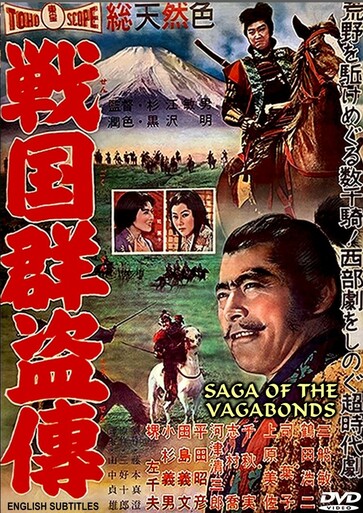 (戦国群盗伝 / Sengoku gunto-den, 1959)
After Kurosawa’s commercial success with The Hidden Fortress, Toho wanted another similar film from him. While Kurosawa was not interested in directing one himself, he wrote Saga of the Vagabonds based on a 1937 screenplay by Sadao Yamanaka, which in turn had been based on a story by Juro Miyoshi. Kurosawa had worked as an assistant director for the 1937 version. The new adaptation was directed by Toshio Sugie.
A DVD release with English subtitles is available from Samurai DVD.
Advance Patrol
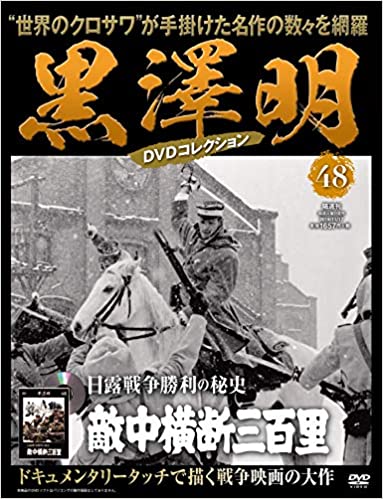 (日露戦争勝利の秘史 敵中横断三百里 / Nichiro sensô shôri no hishi: Tekichû ôdan sanbyaku-ri, 1957)
Also known as Three Hundred Miles Through Enemy Lines, the film takes place during the Russo-Japanese war of 1904-1905. Kurosawa wrote the script for Daei studios in 1942, some time before Sanshiro Sugata, but it was only in 1957 that the studio decided to produce it, with Kazuo Mori directing. Galbraith reports that Kurosawa was not entirely happy with the finished film. (254-255)
What is also noteworthy is Galbraith’s suggestion that Advance Patrol, together with The Men Who Tread on the Tiger’s Tail, formed the raw ingredients from which Kurosawa went on to write and direct The Hidden Fortress in 1958.
A DVD of Advance Patrol was released in Japan in 2019 as part of the Akira Kurosawa Collection. It can be found at Amazon.co.jp. No English subtitles are included.
Hiba Arborvitae Story
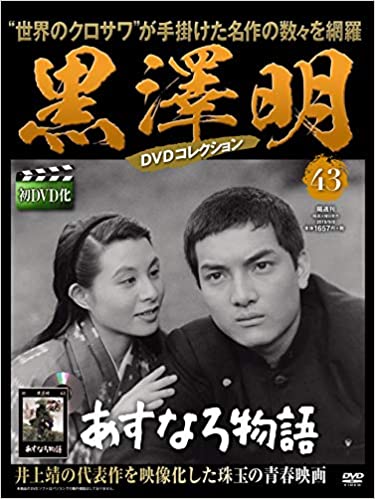 (あすなろ物語 / Asunaro monogatari, 1955)
Written and edited by Kurosawa, and based on Yasushi Inoue’s original story, the story follows a young boy who has brought up in a small village by his grandmother. The story is divided into three parts, focusing on the young boy’s encounters with various women as he grows up.
The film was directed by Hiromichi Horikawa, who worked as an assistant director on six Kurosawa films, including Seven Samurai, Ikiru and Throne of Blood. This was Horikawa’s directorial debut.
A DVD of the film was released in Japan in 2019 as part of the Akira Kurosawa Collection. It can be found at Amazon.co.jp. No English subtitles are included.
Vanished Enlisted Man
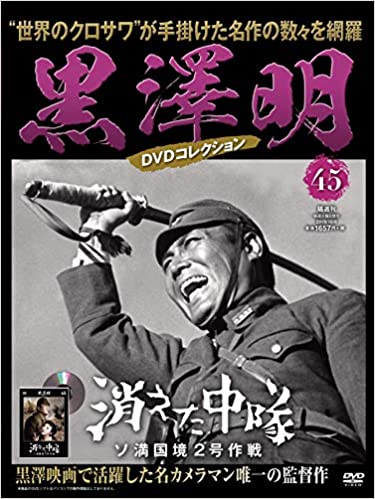 (消えた中隊 / Kieta chutai, 1955)
Vanished Enlisted Man was written by Kurosawa and Ryuzo Kikushima from Masato Ide’s original story. It follows a fresh military academy graduate as he becomes the captain of a company during the 1945 war between Japan and the Soviet Union.
The film was directed by Akira Mimura, a cinematographer for Kurosawa’s Sanshiro Sugata as well as many films by Kajirō Yamamoto on which Kurosawa had worked on as an assistant director under. This was Mimura’s only work as a director.
A DVD of the film was released in Japan in 2019 as part of the Akira Kurosawa Collection. It can be found at Amazon.co.jp. No English subtitles are included.
My Wonderful Yellow Car
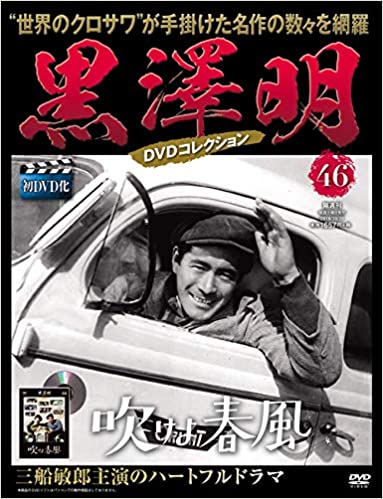 (吹けよ春風 / Fukeyo haru kaze, 1953)
In this 8-episode omnibus film, Toshirō Mifune stars as a taxi driver who drives passengers to different destinations, encountering various little stories along the way. This includes everything from domesti drama and quiet moments to songs, acrobatics and a robbery and features quite a number of well known actors of the era.
The film was written by Kurosawa with Senkichi Taniguchi, who also directed the film. It was loosely based on a Reader’s Digest story.
A DVD of the film was released in Japan in 2019 as part of the Akira Kurosawa Collection. It can be found at Amazon.co.jp. No English subtitles are included.
Sword for Hire
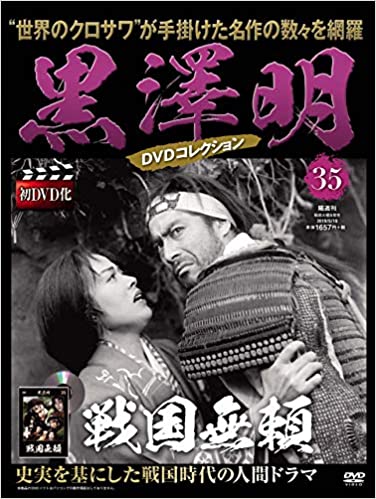 (戦国無頼 / Sengoku burai, 1952)
Written with director Hiroshi Inagaki and also known in English as Vagabonds in a Country at War, this is a period film set during the Warring States period that follows three samurai and their entanglement in two love triangles. Things ultimately lead to violent confrontation.
A DVD of the film was released in Japan in 2019 as part of the Akira Kurosawa Collection. It can be found at Amazon.co.jp. No English subtitles are included.
Vendetta of a Samurai
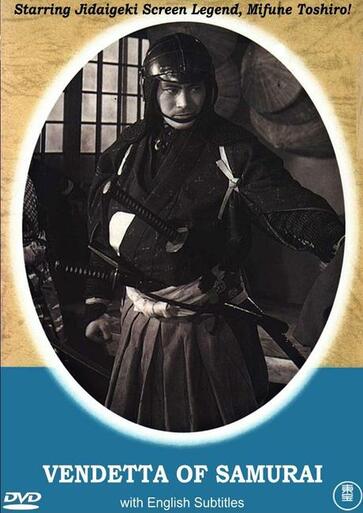 (荒木又右衛門 決闘鍵屋の辻 / Araki Mataemon: Kettô kagiya no tsuji, 1952)
Directed by Kazuo Mori and starring Toshirō Mifune as Araki Mataemon, a legendary samurai who lived in the early 17th century Japan. Kurosawa’s script uses a narrator and flashbacks to explore an event that has become known as “the showdown at Kagiya Corner”, as Araki helps a young swordsman to find revenge.
Available on DVD from samuraidvd.com.
The Den of Beasts
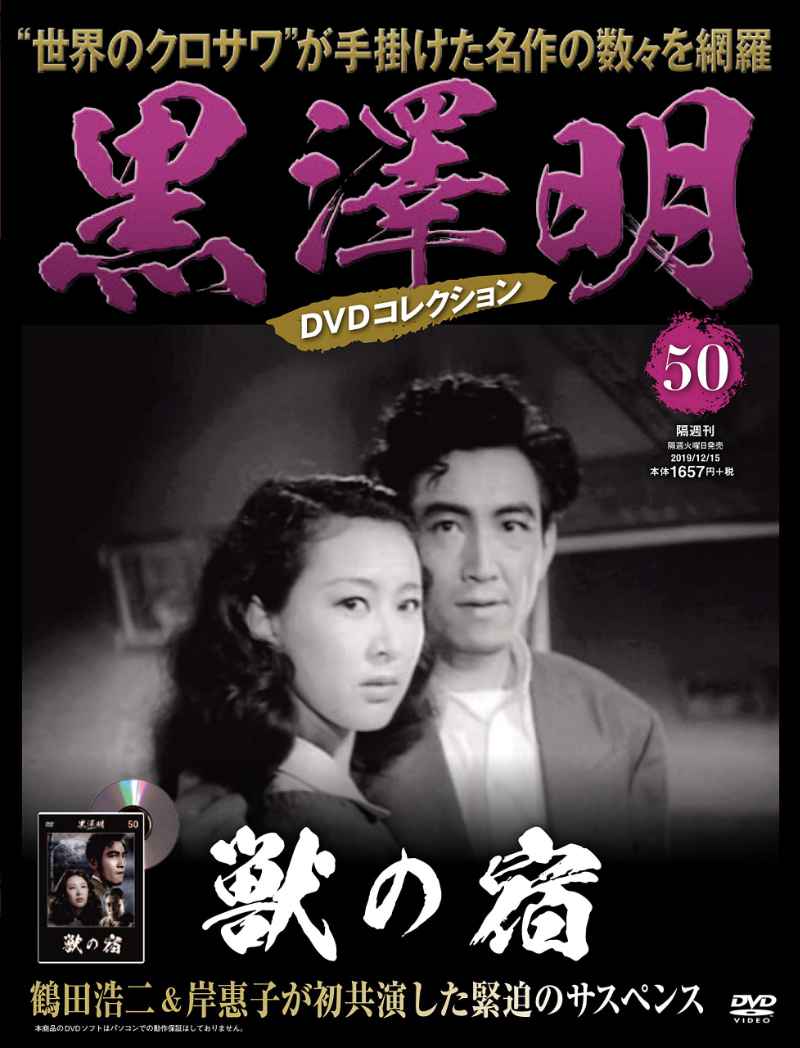 (獣の宿 / Kedamono no yado, 1951)
A yakuza film directed by Tatsuyasu Osone and adapted by Kurosawa from Shinya Fujiwara’s short story “The Rose on the Lake” (“Mizumi nobara”).
Starring Takashi Shimura, Keiko Kishi and Kōji Tsuruta.
A DVD and magazine of the film was released in Japan in 2019 as part of the Akira Kurosawa Collection. A copy can be found on Amazon.co.jp. No English subtitles are included.
Beyond Love and Hate
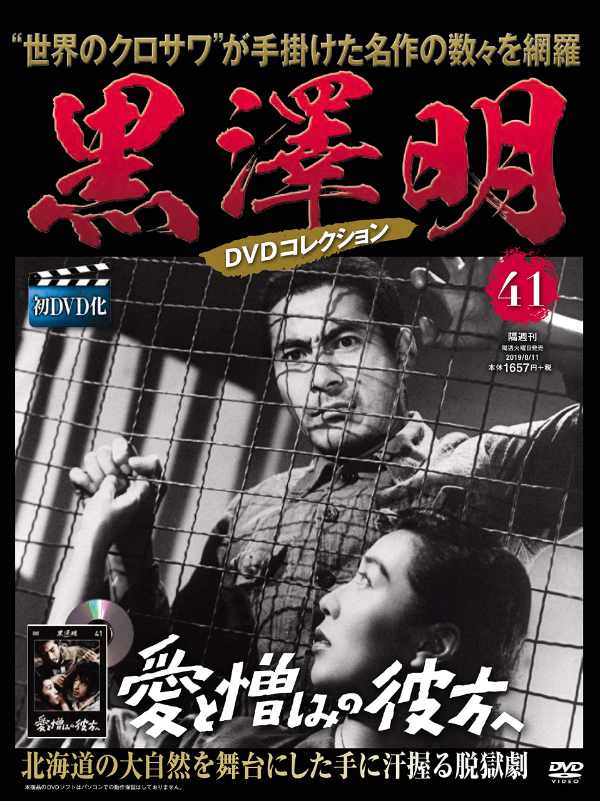 (愛と憎しみの彼方へ / Ai to nikushimi no kanata e, 1951)
Written by Kurosawa and Senkichi Taniguchi, the latter also directing the feature. The story, based on Kotaro Samukawa’s novel, follows a young convict who escapes from prison believing that his wife is being unfaithful to him. Chased by the police, the man is forced to flee to the mountains.
Starring Toshirō Mifune, Takashi Shimura, Mitsuko Mito and Ryō Ikebe.
A DVD of the film was released in Japan in 2019 as part of the Akira Kurosawa Collection. It can be found at Amazon.co.jp. No English subtitles are included.
—————
This page is currently being (unhurriedly) updated. Information below this line remains out of date. Check back later for updates.
—————
Fencing Master (殺陣師段平 / Tateshi Danpei, 1950)
Directed by Masahiro Makino. Kurosawa adapted the screenplay for this film from a 1949 play by Kōen Hasegawa. The story, set in the late 1910s, centres on the titular Danpei Tateshi, a very typical Kurosawa hero in as much as he is headstrong, somewhat childlike and so concentrated on what he does that he fails to pay proper attention to the people close to him. Although called a fencing master, he is actually not working a martial arts instructor but a theatre choreographer who has made a name for himself by arranging swordfighting scenes. As he is getting older, he is finding himself out of demand with his formal style at a time when the tastes of directors and audiences are changing and calling for a more realistic and graphic approach to fighting scenes. Not only is the fencing master finding it difficult to adjust to these new requirements, but he is literally unable to grasp the meaning of the foreign term realism or understand what is meant by the “graphicality” of performance.
Fencing Master has been released in Japan, but has no English subtitles. It can be purchased from Amazon.co.jp. The 1962 remake has been released on DVD with English subtitles (see above).
Tetsu of Jilba (ジルバの鉄 / Jiruba no Tetsu, 1950)
Directed by Isamu Kosugi and written by Kurosawa and Goro Tanada from stories by Tokuzō Kajino.
Quite little information is available about Tetsu of Jilba. It would seem, however, that it was written as a response to the success of the 1949 gangster film Jakoman and Tetsu. Although the 1950 film was a more modestly sized and received production, it was certainly not made without acting talent as veteran actor Utaemon Ichikawa took the top billing, while Takashi Shimura also appeared in a role. It was actor-turned-director Isamu Kosugi’s eighth film as a director in little over two years since the beginning of his directorial career that would last until 1965 and cover almost seventy films. He also appeared in close to two hundred films as an actor.
Tetsu of Jilba is very much unavailable on any home video format.
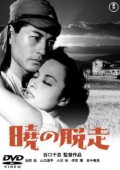
Escape at Dawn (暁の脱走 / Akatsuki no dasso, 1950)
Directed by Senkichi Taniguchi, and written by Kurosawa and Taniguchi from Taijiro Tamura’s novel The Story of a Prostitute.
Escape at Dawn is a World War II film which follows a tragic affair between a Japanese soldier, Mikami, and a Chinese prostitute, Harumi. During the Manchurian campaign, Mikami is captured by the Chinese and although he is able to escape and return to his unit, he is treated with contempt by his peers for having been taken by the enemy. Mikami falls in love with Harumi, who tries to convince him to desert from the army, with tragic results.
The film stars Ryō Ikebe and Shirley Yamaguchi, the latter also starring in Kurosawa’s Scandal which came out a few months after Escape at Dawn. The writing of the film was difficult, as many adjustments had to be made to the script due to American censorship.
The film is available on DVD, but without English subtitles. Try cdJapan or
Amazon.co.jp.
Jakoman and Tetsu (ジャコ萬と鉄 / Jakoman to Tetsu, 1949)
Directed by Senkichi Taniguchi, who also co-wrote the film with Kurosawa from stories by Tokuzō Kajino. Jakoman and Tetsu is a story of a one-eyed criminal Jakoman who terrorises the inhabitants of a fishing town until a young fisherman called Tetsu decides to confront him. The film stars the at the time up-and-coming Toshirō Mifune as Tetsu, while the role of Jakoman is played by Ryūnosuke Tsukigata, who had appeared in both of Kurosawa’s Sanshiro Sugata films. Other former and future Kurosawa regulars also make appearances.
Unavailable on home video, but the 1964 remake is available (see above).
The Lady from Hell (地獄の貴婦人 / Jigoku no kifujin, 1949)
Written by Kurosawa and Motosada Nishiki and directed by Motoyoshi Oda. Unavailable.
The Portrait (肖像 / Shozo, 1948)
Written by Kurosawa and directed by Keisuke Kinoshita. Unavailable on home video.
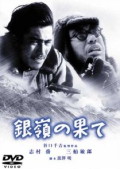
Snow Trail (銀嶺の果て / Ginrei no hate, 1947)
Three bank robbers flee to the mountains where they befriend unsuspecting locals who do not know what they are dealing with and agree to lead them over the mountains. Written by Kurosawa and Senkichi Taniguchi, who also directed the film. Notable for being Toshiro Mifune’s first film.
The film is available on DVD, but without English subtitles. Try cdJapan or
Amazon.co.jp.
Four Love Stories (四つの恋の物語 / Yottsu no koi no monogatari, 1947)
Kurosawa wrote the segment “Hatsukoi” (“Puppy love”) for this film that consists of four love stories and was directed by Kajirô Yamamoto, Kenta Yamazaki, Teinosuke Kinugasa, Mikio Naruse and Shiro Toyoda, the last of whom helmed Kurosawa’s part.
Unavailable on home video.
Bravo! Tebare Ishin (天晴れ一心太助 / Appare Ishin Tasuke, 1945)
Written by Kurosawa for Kiyoshi Saeki. Unavailable.
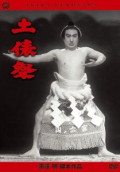
Wrestling-Ring Festival (土俵祭 / Dohyosai, 1944)
Written by Kurosawa from Hikojiro Suzuki’s story and directed by Santaro Marune. Set in the late 19th century when sumo wrestling was going out of fashion, the story follows a young sumo disciple.
The film has been released in Japan without English subtitles. Try Amazon.co.jp.
The Triumphant Song of the Wings (翼の凱歌 / Tsubasa no gaika, 1942)
A war film directed by Satsuo Yamamoto and written by Kurosawa and Bonhei Sotoyama.
Available in Japan without English subtitles. Try Amazon.co.jp.
Wind Currents of Youth (青春の気流 / Seishun no kiryu, 1942)
Directed by Osamu Fushimizu and written by Kurosawa from Jun Minamikawa’s original stories.
Appears to be unavailable on home video.
CHIEF ASSISTANT DIRECTOR
To the best of my knowledge, none of the following film are available in any form. They were all directed by Kajiro Yamamoto save for Subterranean Heat, which was directed by Eisuke Takizawa.
Songoku (Volumes 1 & 2) (エノケンの孫悟空 / Enoken no songokû: songokû zenko-hen, 1940)
Enoken’s Cropped Hair (エノケンのざんぎり金太 / Enoken no zangiri Kinta, 1940)
Roppa’s Honeymoon (ロッパの新婚旅行 / Roppa no shinkon ryoko, 1940)
Easy Alley (のんき横丁 / Nonki Yokocho, 1939)
Chushingura (Part Two) (忠臣蔵 後篇 / Chushingura: Kohen, 1939)
Enoken’s Shrewd Period (エノケンのがっちり時代 / Enoken no gatchiri jidai, 1939)
Enoken’s Surprising Life (エノケンのびっくり人生 / Enoken no bikkuri jinsei, 1938)
Composition Class (綴方教室 / Tsuzurikata kyoshitsu, 1938)
Tojuro’s Love (藤十郎の恋 / Tojuro no koi, 1938)
Subterranean Heat (地熱 / Chinetsu, 1938)
The Beautiful Hawk (美しき鷹 / Utsukushiki taka, 1937)
THIRD ASSISTANT DIRECTOR
Fairly little information is available about these works. To the best of my knowledge, none of them are available in any home video format.
Enoken’s Chikiri Kinta Part 2: Returning Is Scary, But the Weather Will Clear If You Wait (エノケンのちゃっきり金太 後篇 第三話 帰りは怖いの巻 第四話 まてば日和の巻 / Enoken no chakkiri Kinta ‘Go’, kaeri wa kowai, mateba hiyori, 1937)
Enoken’s Chikiri Kinta Part 1 – Momma, the Hat – The Nice Way (前篇 第一話 まゝよ三度笠の巻 第二話 行きはよいよいの巻 / Enoken no chakkiri Kinta ‘Zen’ – Mamayo sandogasa – Ikiwa yoiyoi, 1937)
Avalanche (雪崩 / Nadare, 1937)
Japanese Women’s Textbook (日本女性読本 / Nihon josei dokuhon, 1937)
A Husband’s Chastity: Fall Again (良人の貞操 後篇 秋ふたたび / Otto no teiso – aki futatabi, 1937)
A Husband’s Chastity: If Spring Comes (良人の貞操 前篇 春来れば / Otto no teiso – haru kitareba, 1937)
Saga of the Vagabonds, Part Two: Forward at Dawn (戦国群盗伝 後篇 暁の前進 / Sengoku gunto-den – Dai nibu Akatsuki no zenshin, 1937)
Saga of the Vagabonds, Part One: Tiger-wolf (戦国群盗伝 前篇 虎狼 / Sengoku gunto-den – Dai ichibu Toraokami, 1936)
Tokyo Rhapsody (東京ラプソディ / Tokyo rapusodi, 1936)
Enoken’s Ten Millions Sequel (続エノケンの千万長者 / Zoku Enoken no senman choja, 1936)
Enoken’s Ten Millions (エノケンの千万長者 / Enoken no senman choja, 1936)
Paradise of the Virgin Flowers (処女花園 / Shojo Hanazono, 1936)
PRODUCER (ONLY)
Spring Flirtation (春の戯れ / Haru no tawamure, 1949)
A Kajiro Yamamoto film.
EDITOR
The Legacy of the 500,000 (五十万人の遺産 / Gojuman-nin no isan, 1963)
“Legacy” is the only film directed by Toshiro Mifune, who asked Kurosawa to help him with the editing of the final film. It is a thriller set after the Second World War involving a gold treasure that has been buried in the Philippines during the war, and whose location Mifune’s own character knows. While he would like to return the money to the Japanese people, two brothers who kidnap him and force him to take them to the treasure have other ideas.
The film is available on VHS in Japan, and can be purchased for example at Amazon.co.jp.